martedì 30 marzo 2021

Viaggio attraverso i Parchi Nazionali dell'Argentina: El Rey.

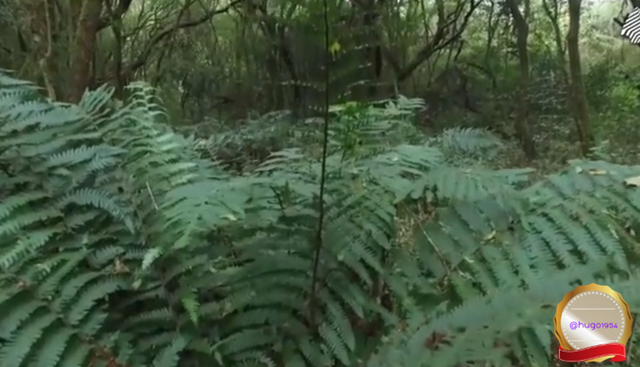
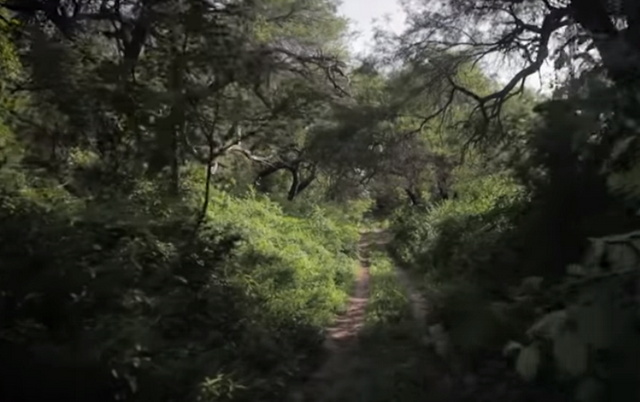
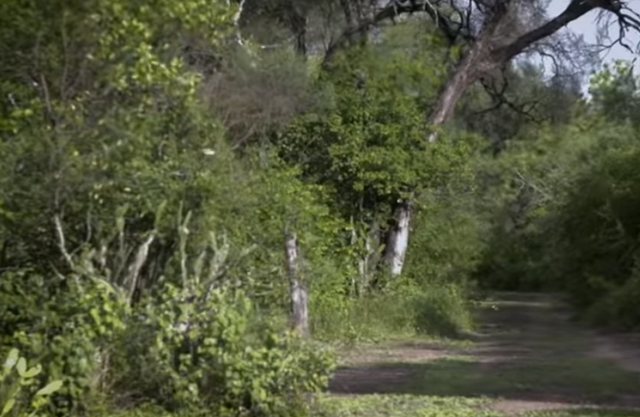
Created in 1948 with the aim of conserving a sector of the "cloud forest" or the "yungas" and the environments of transition between it and the mountain chaco, this protected area contains on its 44,162 hectares a very diverse biodiversity that is dispersed among its different environments, which are between 750 and 2,000 meters above sea level.

It has a tropical climate with average temperatures ranging between 22 and 25 ° C. Rainfall reaches 2000 mm annually.

El Rey National Park variety as an attraction.

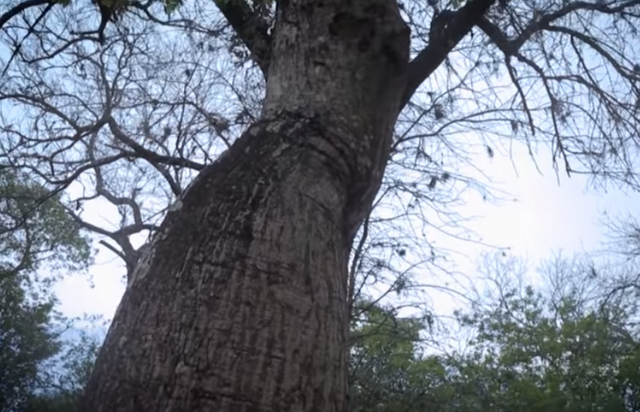
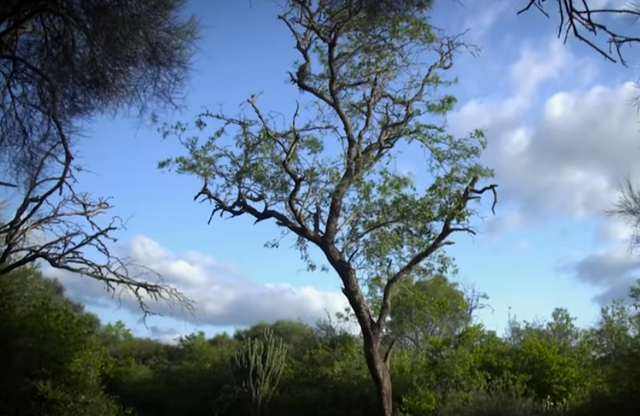
The visitor will be able to find and contemplate five marked levels of different vegetation.
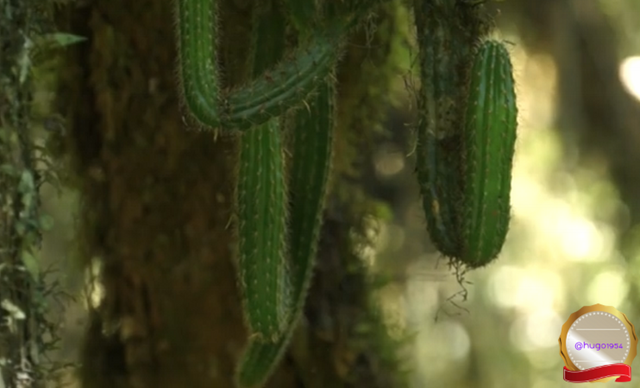
From below, specimens of horco quebracho, cochucho, atamisque and cardones, which assert the presence of the Chaco mountain forest, will be observed.
Above, the transition jungle with tipas and pacaraés marks the beginning of what will later become the montane jungle, which will exhibit specimens of cedar, tarco, tipa and walnut.
Already in the 800 meters, the jungle of the so-called mirtáceas is developed, where you will find the muddy stick, the alpamato, the mato, the chal-chal, and the güili.
Finally over 1,500 meters the pine communities of the hill, alder and queñoas are presented.

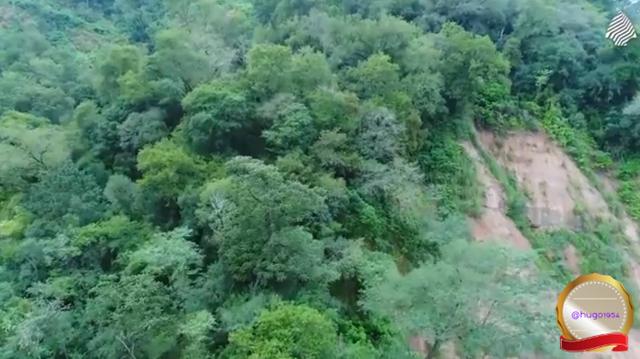
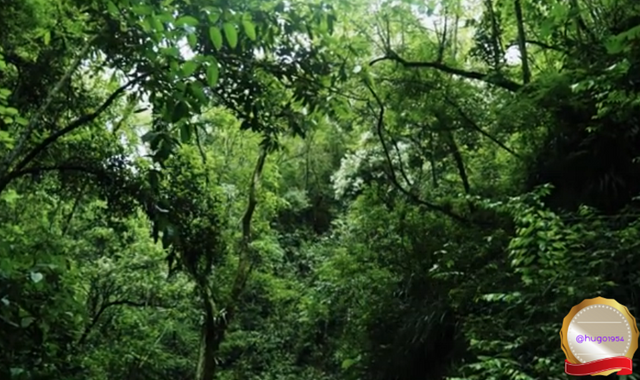
As the climate is warm and rainy, the mountains are covered by dense jungle.

The visitor will be able to find and contemplate five marked levels of different vegetation.

From below, specimens of horco quebracho, cochucho, atamisque and cardones, which assert the presence of the Chaco mountain forest, will be observed.
Above, the transition jungle with tipas and pacaraés marks the beginning of what will later become the montane jungle, which will exhibit specimens of cedar, tarco, tipa and walnut.
Already in the 800 meters, the jungle of the so-called mirtáceas is developed, where you will find the muddy stick, the alpamato, the mato, the chal-chal, and the güili. Finally over 1,500 meters the pine communities of the hill, alder and queñoas are presented.

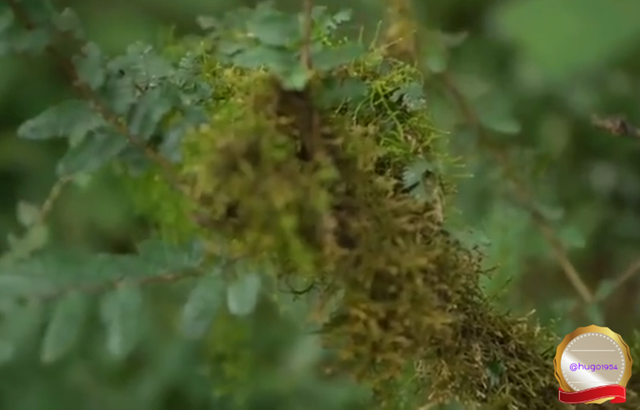
There will also be a great profusion of different epiphytes, these are those plants that use another as a support, such as the tank bromeliad, the carnations of the air, and different species of orchids.


Diversity of flora and fauna.

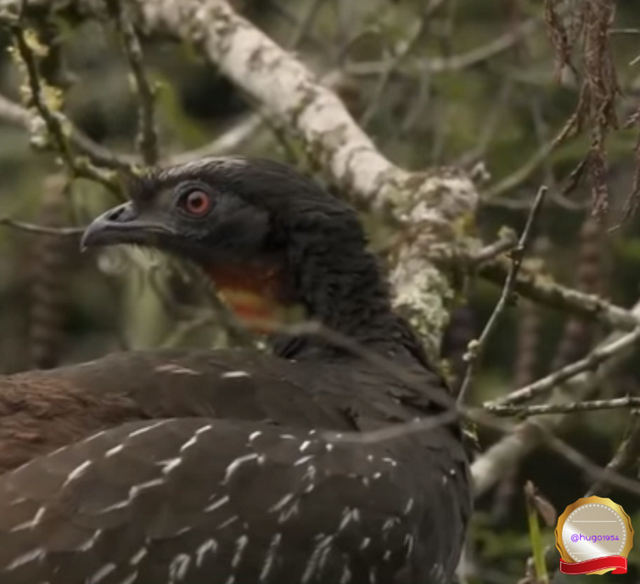
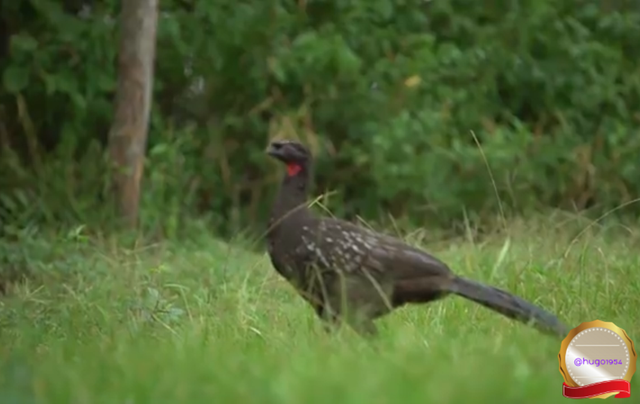
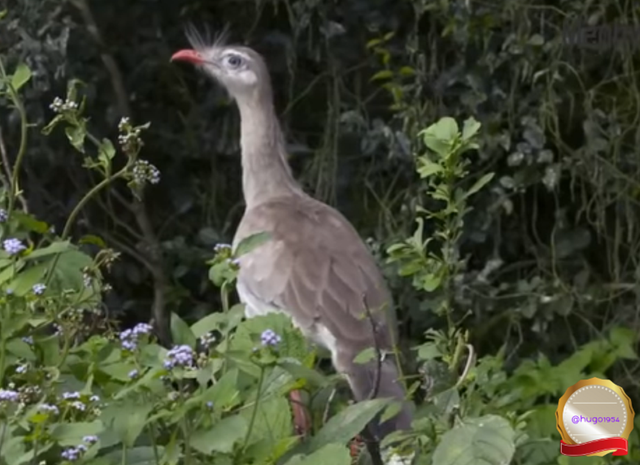
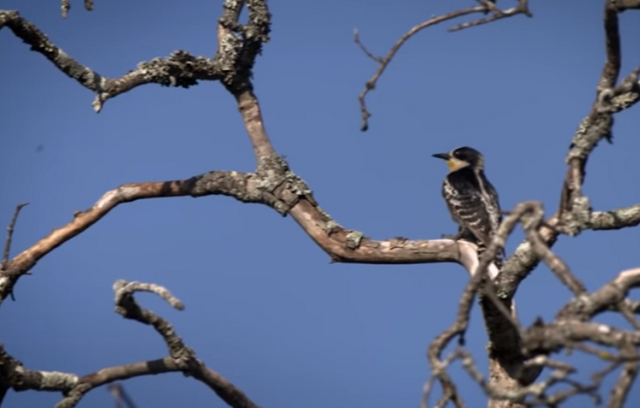
The diversity of flora also makes possible a wide variety of animal species, since they are two ecoregions such as the Yungas and also chaco species characteristic of the latter, such as the red-legged chuña, the charata and the common woodpecker, and also brown corzuelas, peccaries and tapirs.
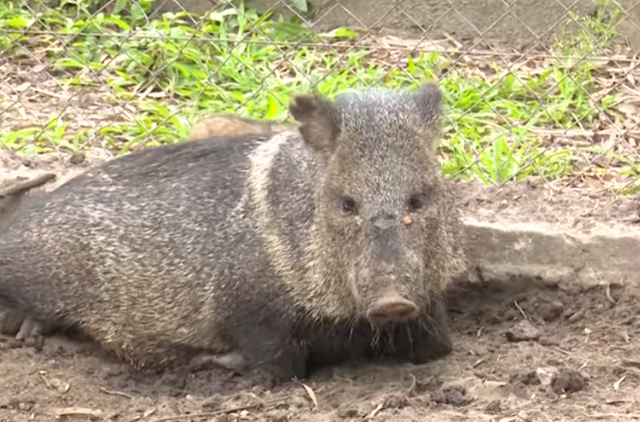
The lipped peccary mainly inhabits the abrupt gorges that present a dense low vegetation.
The brown roe deer is more easily found in the transition forest, while its close relative: the red roe deer is distributed along the jungle slopes to the high alder forests.
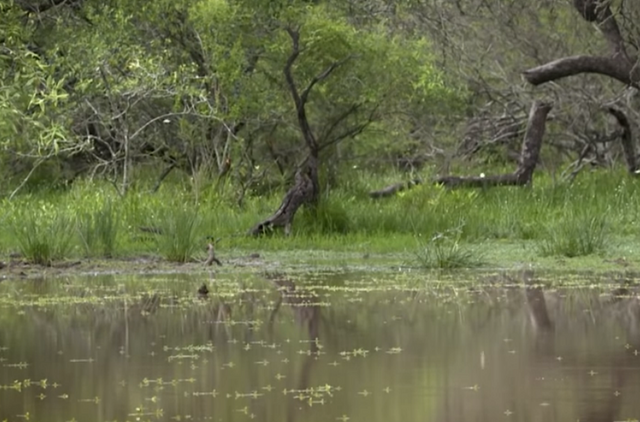
In the water courses you can see the river wolf and less frequently the mayuato.
We also find animals such as the fox and the elusive puma, the largest predator in the region. The fish fauna is represented by the native dorado, bogas, catfish and shad.
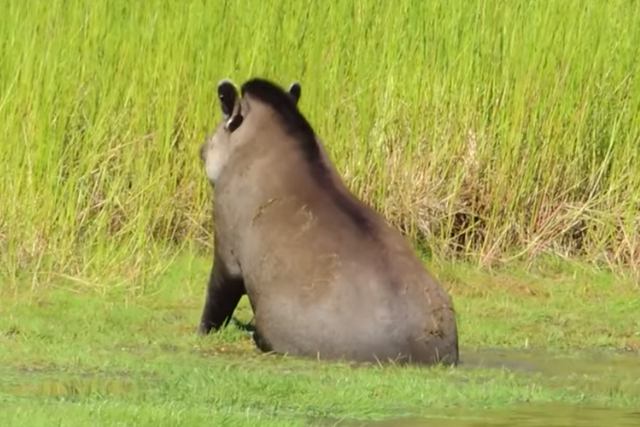
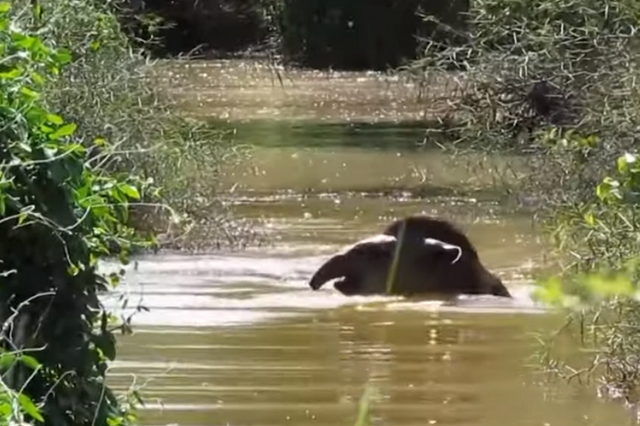
The tapir, also called "anta" is the emblem of the National Park.
This land mammal is considered the largest in South America, weighing up to 300 kg. It prefers aquatic environments where it feeds on aquatic plants and spends long hours immersed to protect itself from insects.

It is an excellent place for the interpretation of nature, highlighting the great variety of birds, mammals and insects within the framework offered by the great diversity of the Yungas jungle.


0

venerdì 19 febbraio 2021

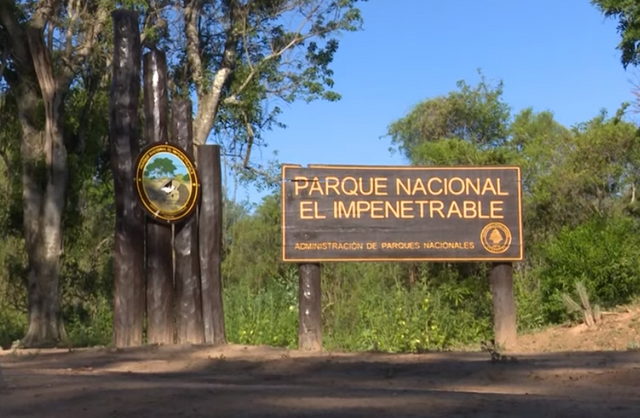
Viaggio attraverso i Parchi Nazionali dell'Argentina: El Impenetrable.

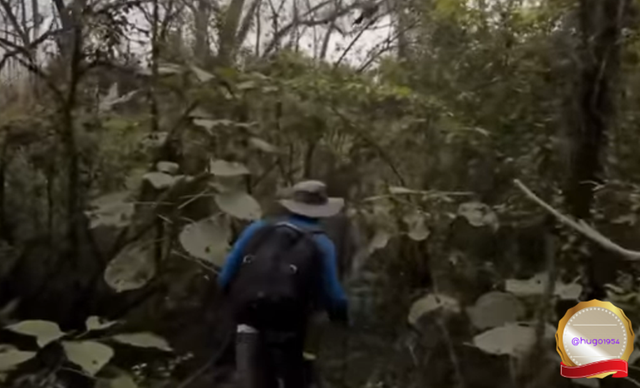
The Impenetrable is a must-see for lovers of hiking and nature.

It is one of the little explored places in the country, but it is worth knowing. The new park, of 128 thousand hectares, now represents the largest reserve in northern Argentina.
It is very difficult to find a degree of biodiversity as pure as that seen in El Impenetrable National Park.
The national park is part of what Estancia La Fidelidad used to be and extends between the provinces of Chaco and Formosa, covering an area of ​​250,000 hectares, divided by the Bermejo river.
The origin of its name lies in the difficulty of entering the area. Nature is diverse.
Lush forests. Ancient trees and mammals of exuberant beauty form the recent El Impenetrable National Park, the largest in northern Argentina.
Under the premise of preserving the Chaco forest and the diverse species of flora and fauna that inhabit it, National Parks protects its 130,000 hectares from times prior to its creation, in 2017.

Why should we know this place?


The Impenetrable today constitutes one of the few, best preserved and largest green lungs in Latin America.
For many years, the site was used as a sports hunting ground. Domestic animals, indiscriminate logging and hunting put their biodiversity and ecological sustainability in check, causing the extinction of many species and the decrease of others, such as the jaguar, anteater, tapir and crowned eagle, among others.
Entering the park implies observing the life of the forest and the interaction between its inhabitants, as well as finding out about the importance of its preservation, both for the species and for the health of the planet.

Location.

The Impenetrable is located within the Gran Chaco ecoregion, which also extends to the Northwest of Córdoba and in the countries of Bolivia and Paraguay.
It is the third largest forest area in South America, after the Amazon and the Cerrado, in Brazil.

The brand new National Park protects the last redoubt of virgin forest, the third in importance in South America.
Tourist promotion of the park is presented as an alternative to traditional economic activities in the area. An example is the replacement of livestock with the sustainable creation of non-wood products, such as bush honey, carob flour and crafts in chaguar.
It is very clear that preserving and producing is possible.
The National Parks constitute the most important protected natural areas in Argentina.
They conserve biodiversity and ecosystems; they protect paleontological and archaeological sites; they promote environmental education, scientific research and nature tourism.

Fauna.

The Impenetrable, thanks to its recovery, became the ideal habitat for many critically endangered species and others threatened with extinction, such as the yaguareté, the carreta tatú, three types of peccaries, the anteater, the crowned eagle and the boa rainbow.

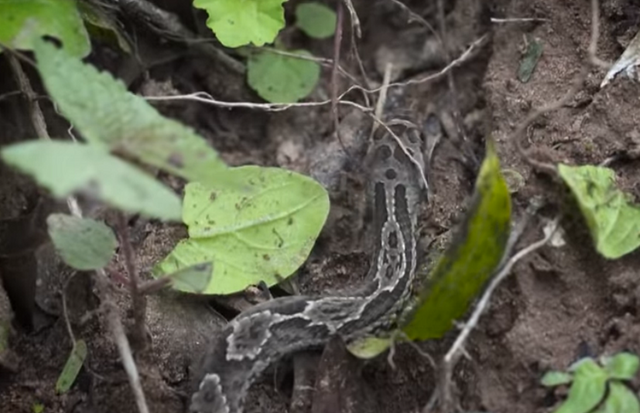
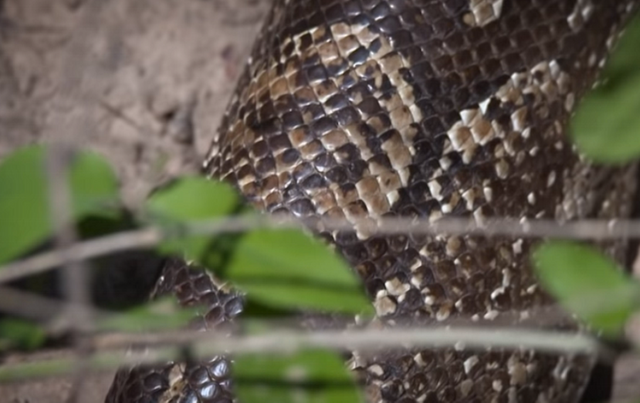
The yarará is a poisonous snake native to South America.
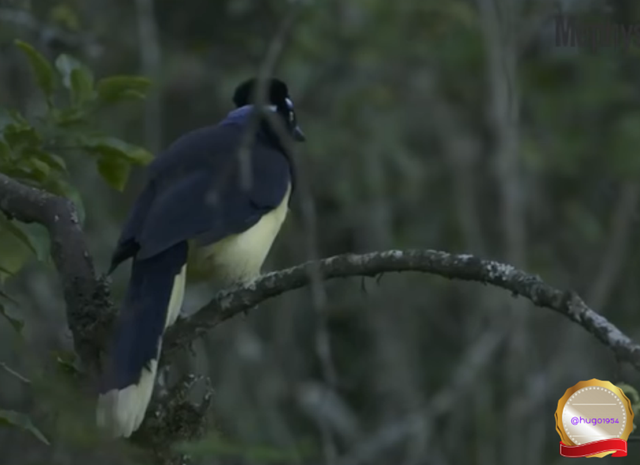
The high biodiversity and native forest of this nature reserve, which is in a very good state of conservation, is home to hundreds of species of birds, including the yabiré, the talking parrot, the black woodpecker, the charata, the rayador and the espinero fron reddish.

The Impenetrable houses endangered fauna such as the jaguar, the anteater, the tapir.

Flora.

In the El Impenetrable National Park there are carob forests. The quebrachos white and red from Santiago stand out.
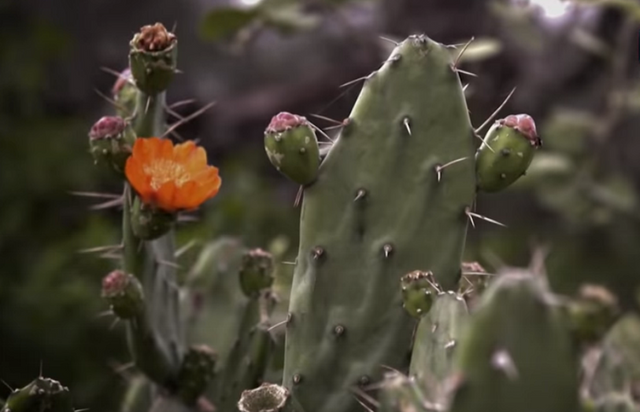
Other species of the tree canopy are the palo santo, mistol, viraró, itín, moradillo, saucillo, molle, talas, chañar, Capparis, the drunk palo de flor blanca or yuchán and large cactus.

A specimen of drunk stick round tree top and beautiful flowers.
The albardones that border the Bermejo river abound with forests of river alder, Creole willow, and yellowwood. Somewhat farther from the river there are examples of soap stick and stone stick.

The carob tree is the most widespread tree in El Impenetrable and the most subject to illegal logging.


0

sabato 9 gennaio 2021

Viaggio attraverso i Parchi Nazionali dell'Argentina: Baritu.

We continue with our itinerant tour through the National Parks of Argentina.
We had started with our first installment on the Calilegua National Park in the province of Jujuy.
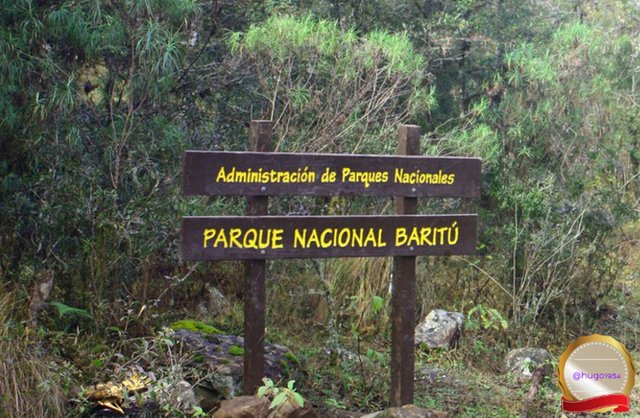
Today we will visit another natural park, in this case in the neighboring province of Salta: the Baritú National Park.
The objective of the Baritú National Park is to recover, protect and preserve the natural heritage that is considered the only one with subtropical characteristics in the Argentine territory.
Baritú National Park is a protected natural area located in the Santa Victoria department of the province of Salta.
And, like the Calilegua National Park, it is one of the integral areas of the Yungas biosphere reserve.
The Yungas Biosphere Reserve is part of the World Network of Biosphere Reserves promoted by the UNESCO Man and Biosphere Program (MAB).
Currently the condition of the park is in danger, due to the exotic of the species that coexist there that are constantly stalked by the poachers of the region, who day after day, are caught or killed some species. Likewise, there is another problem within the vicinity of the Baritú National Park and this has to do with illegal logging for the extraction of wood in the area.
This natural sanctuary is located 30 kilometers from the city of San Ramón de la Nueva Oán, in the north of the province of Salta, and shares a border with Bolivia.
It is through that country that you enter the National Park, through the Pan-American route N ° 1 until you reach the Los Toldos junction. What does Baritú mean? The name comes from Quechua and means "small population".
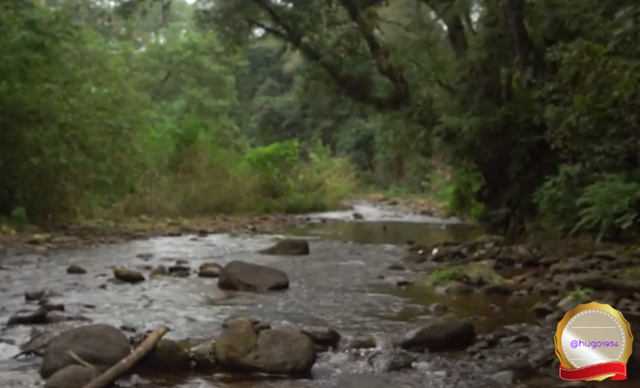
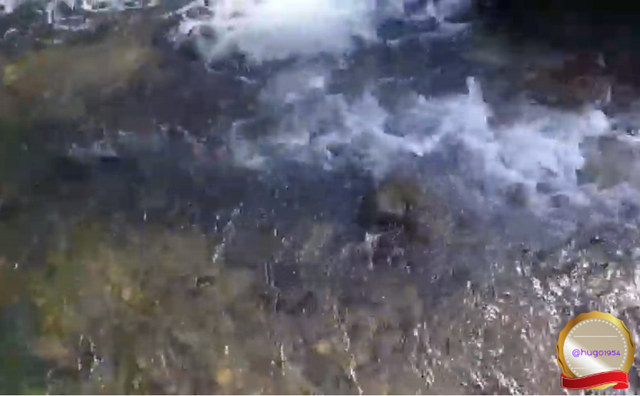
Here the water courses of the Lipeo, Porongal and Pescado rivers run; on whose banks you can find silly birds and different bushes.
In this framework, one of the most visited attractions in the area are the water wells, which house shads, river lions and the washed bear, with its characteristic black mask and ringed tail.
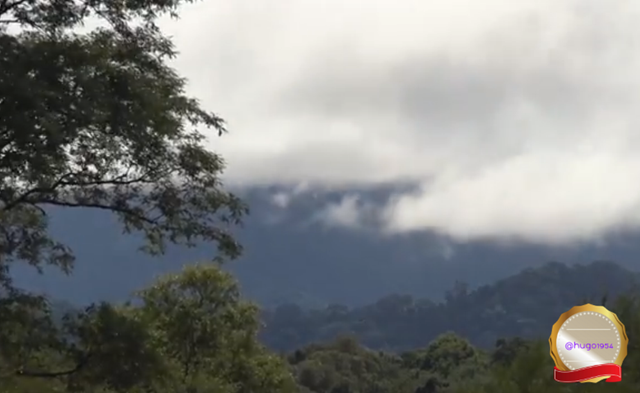
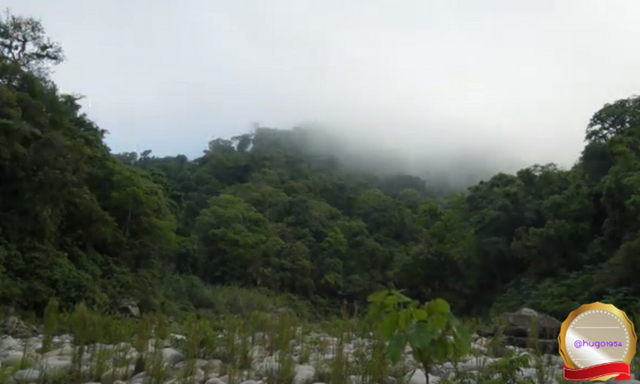
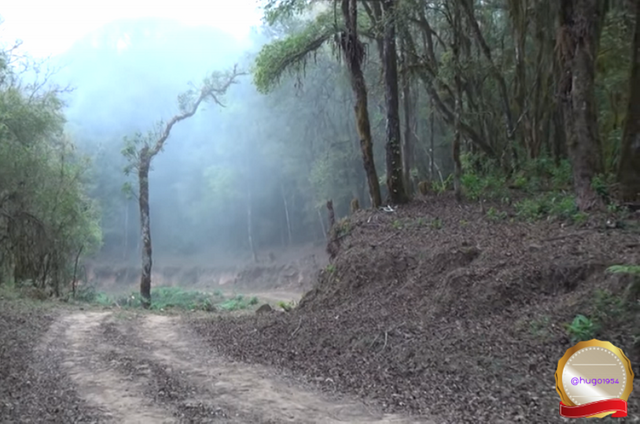
The haze that is constantly observed in the morning is the product of the jungle’s evotranspiration, especially after the rains.
The best time to visit the park is from June to October. It is traveled on foot or on horseback, always accompanied by a guide due to the complexity of the circuit.
Due to the abundant humidity and high temperatures that characterize this corner of northern Argentina, it is important that visitors wear light waterproof clothing
The reserve is also characterized by the importance of its cultural heritage, made up of various indigenous peoples; in the reserve and its area of ​​influence reside some three hundred and sixteen communities of native peoples (aymara, quechua, wichí, toba, chané, ocloya) who preserve their customs (worldview, way of life, festivities, crafts, etc.) by culture peasant and by descendants of Spaniards, reflecting a multiple, strong and particular identity of the territory.
The precipitations in the Baritú National Park, they can reach 2 thousand millimeters per year, occurring with greater intensity in the warmer months that are for the southern hemisphere, December, January and February when the summer solstice occurs.
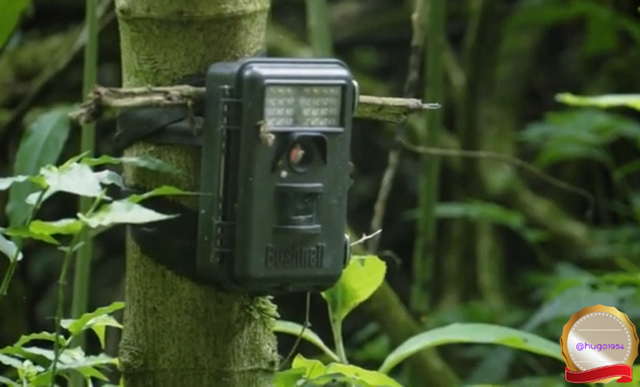
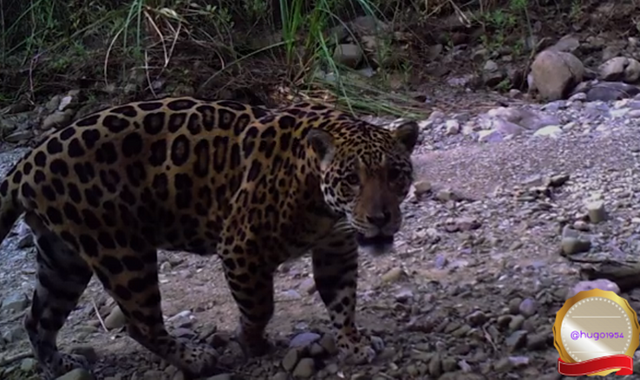
Everyone's great dream -including the park ranger- is the jaguar. I have only seen them in the filming of the camera traps installed in the Park. The tracks are the only direct evidence that one usually has of the American big cat.
Not only scientists, botanists, and naturalists come. There are also adventurers who like to know almost virgin spaces and passionate about birds.
The truck climbs to 1,800 meters above sea level and then drops again to 1,500 meters above sea level. Even Baritú is only 44 km, but it takes us a few hours. We stop to take photos, it rains, the sun rises, a dense fog falls, it is discovered and it allows us to see amazing yellow lapachos, walnut trees, bushes (of the myrtle family), cedars and tree ferns.
In the Baritú National Park you can count on the presence of one of the largest reserves of tropical fauna, and a flora characteristic of humid tropical environments.
Drizzle, mist, dripping leaves, rays of light from some elusive and persistent reflection of the sun. It is a deep and undulating hillside full of epiphytes - plants that grow on others - that create a magical halo. From time to time, we feel that we have entered a parallel universe more similar to that of the movie Avatar than ours.
The tree community gathers a number of species which vary according to altitude levels, from the valleys to the ridges of the mountainous areas. In the lower levels, forestry such as jacaranda, peteribí, viraró and quina develop.
A unique species due to its behavior is the maroma, whose seed germinates on the branch of a tree, expands and lengthens its roots to the ground, and then develops its trunk and branches by wrapping and even drowning the specimen that gave it support.
This nature reserve is one of the most protected and best isolated areas in all of Argentina, which preserves its quasi-virgin nature.
In the intermediate levels of the slopes, up to around 1400 m.a.s.l, imposing Salta cedars, yellow lapacho, horco-molle, Creole walnut and others live.
Above this level, the jungle loses biodiversity and acquires the character of a forest, in which the coniferous pine of the hill, the alder and the walnut stand out.
As for the fauna that inhabits the Park, its composition and variety make it a resource of singular importance among the conservation objectives.
This is emphasized in the case of species such as the caí monkey, the river wolf, the ocelot or ounce cat, the tapir, the yaguareté, which not only integrate our native fauna but also appear in the lists of endangered species , made by specialists in the subject.
In better conditions are other mammals, such as the cougar, the ferret, the lipped peccary, the mayuato or washing bear, the corzuela, the tapir, on the banks of watercourses the capybara and many others
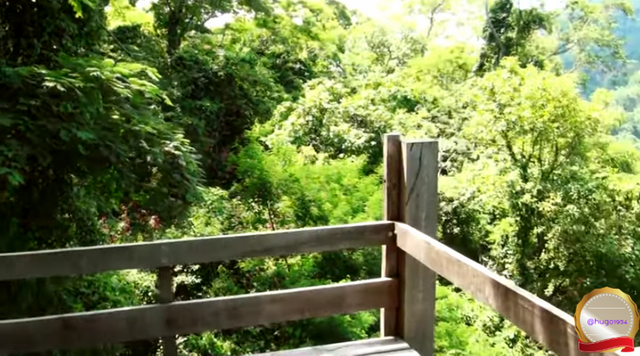
Spectacular panoramic view from one of the spotters installed in the park.
An animal that is very curious about its way of life is aí-aí or lazy. Thanks to its strong hooked nails, it lives and moves hanging from the branches.
Their movements are of an imperceptible slowness reason why it is very difficult to discover it; for the better, chlorophytic algae develop in the hairs (honeycomb hairs) on the belly and sides that give it a greenish hue that blends in with the environment.
The only way to photograph the yaguareté (the largest feline in Latin America and the third largest in the world) is through cameras hidden in the vegetation.
In this way they can locate, document and follow their night movements.
A special mention should be made for the friendly and elusive squirrel, whose image is the center of attention in the Park's logo.
A particular chapter is that of birdlife, whose biodiversity and exclusivity stands out over the same characters of the birds of other parks that house sectors of the Yungas (P.N. Calilegua and P. N. El Rey).
The condor and the red-headed jote and the black-headed jote are prominent birds.
The large toucan, a variety of hummingbirds, parrots and the magpie are characteristic.
The Baritú National Park for the Argentine, is an exotic jewel in the territory, since it represents the only natural reserve where you can see a tropical jungle influenced by the Tropic of Capricorn and a virgin environment guarded by mountain formations that make access difficult from man to said space.
In the Park area, species such as the peregrine falcon, the widow eagle and the green macaw find safety, the possibility of survival outside of the protected areas is critical.
Among the reptiles, the variety of lizards, snakes and some poisonous form (yaraba chica) is notorious.
Around or in water sources, various species of toads can be observed, the notable marsupial frog and an endemic climbing frog. Among native fish, the mojarras, the old water, the shad, the catfish and the dorados are common.
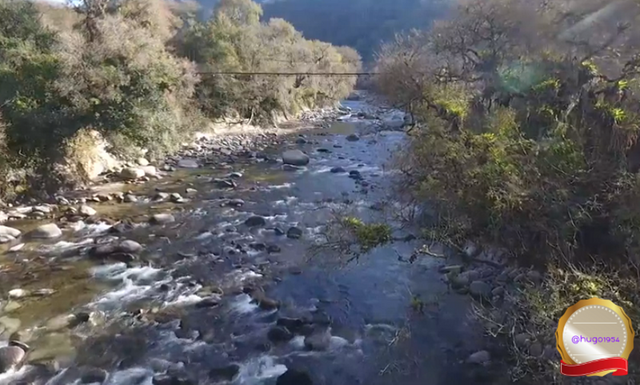
Of the numerous water courses that cross it, the most important are the Lipeo river in the north, and the Porongal and Pescado rivers, which drain into the Bermejo river and in a small section form the northeast limit of the Park.
The tranquility of the waters of the Porongal river in its initial section.
And its current aspect as it approaches the mouth with the river Pescado.

0

Ultimi articoli pubblicati

Recent Posts Widget

Ultimi posts pubblicati

Recent Posts Widget

Post più popolari

Etichette

Archivio

Argentina Tour in Bluesky

Argentina Tour in Facebook

Argentina Tour in Pinterest